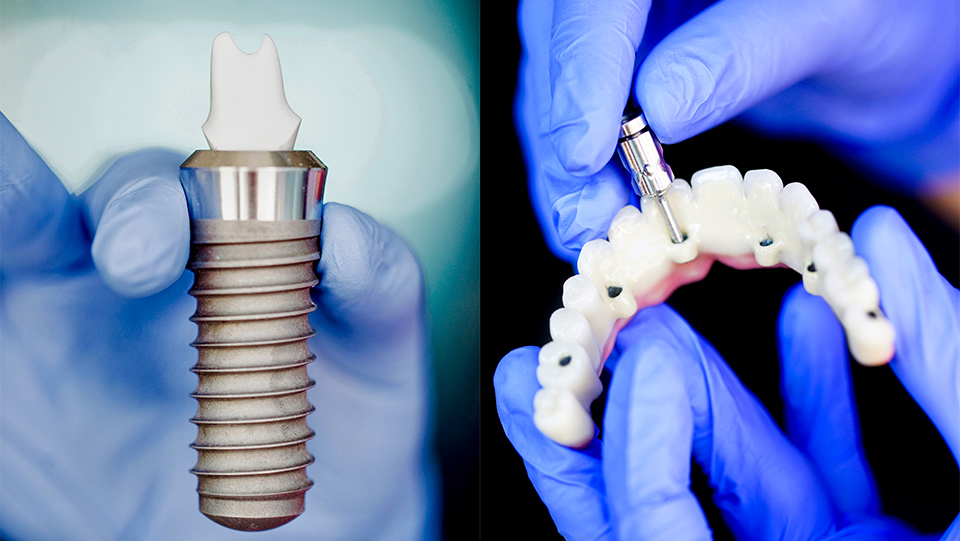

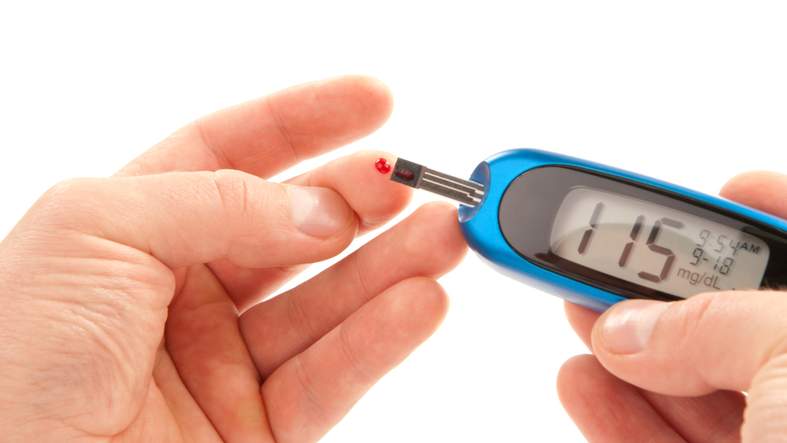
Dental implants are one way of replacing lost teeth. Science and technology have advanced far enough that, when certain protocols are followed, the outcome of placing an implant becomes safe and predictable. Modern implant design and the properties of the implant surface have both contributed to that predictability. Whether an implant survives depends on how it integrates into the bone, and anything that disturbs the process of bone growing onto the implant leads to failure. Conditions that affect bone metabolism therefore raise the risk of failure. One such condition is diabetes — a chronic metabolic disease that raises blood sugar and damages small and large blood vessels. People with diabetes more often develop periodontal disease and tooth loss, and show delayed wound healing and a poor response to infection.
After teeth are lost, the inability to keep to an adequate diet makes the condition worse. On the other hand, it is not clear how the duration of the disease and the prescribed therapy affect the success of implant placement. Knowing which conditions may lead to complications allows the surgeon to make the right decisions and adjust the plan. When working with these patients, the length of treatment, the type of diabetes, the type of therapy and average blood sugar values all have to be taken into account. In most of the studies dealing with implants in patients with diabetes, the patients were on well-prescribed therapy taken regularly, so their blood sugar was stable — without large peaks and troughs.
An analysis of the studies on the subject leads to the following conclusions:
- Placing implants in patients with diabetes is a safe and predictable procedure. Implant survival in these patients does not differ significantly from that in healthy patients over a period of 6 years, but over a longer period, of 20 years, the survival rate of implants in patients with diabetes is lower.
- In patients whose diabetes is poorly controlled, implants integrate into the bone more slowly, and the prosthetic work is best left until later.
- Over the first year no difference was found in the risk of inflammation around the implant between healthy patients and patients with diabetes; but under long-term observation, inflammatory reactions around implants were seen more often in patients with diabetes.
The literature also holds that grafted bone does not carry a risk of failure in patients whose diabetes is well controlled. Such patients should be given appropriate antibiotic therapy and chlorhexidine mouthwash, and their diabetes therapy may need adjusting by an endocrinologist to improve the outcome of the implant placement.
Source: Dental implants and diabetes mellitus — a systematic review; Naujokat et al. International Journal of Implant Dentistry (2016) 2:5 DOI 10.1186/s40729-016-0038-2